
Newington Dethatching Lawn Services
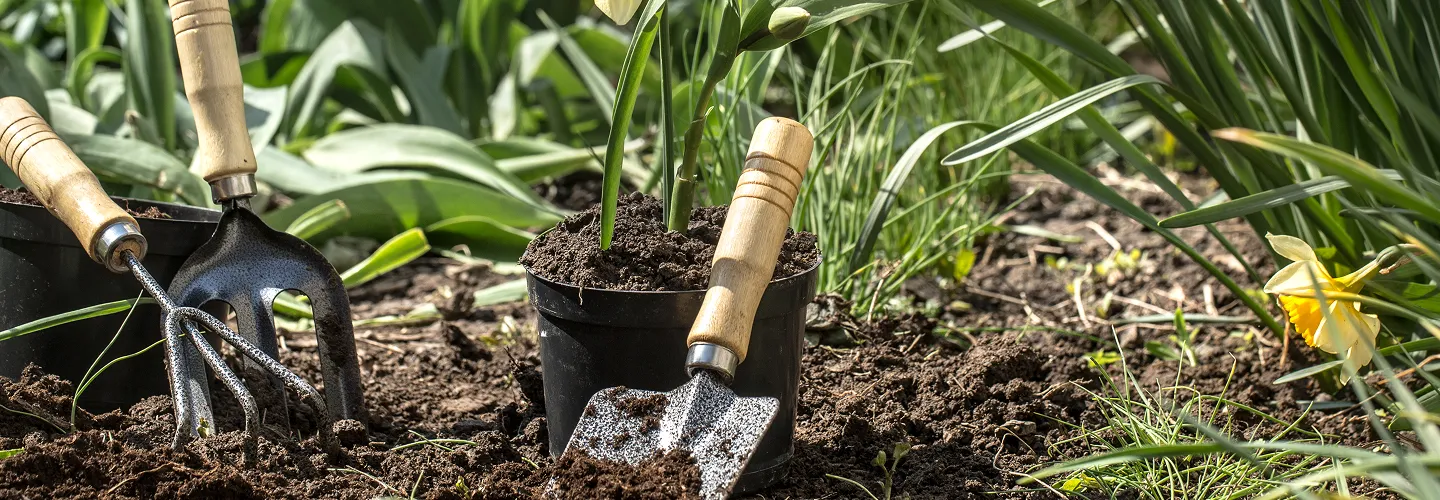
Choose our dethatching lawn services for a healthier, greener yard—our experienced team removes built-up thatch to improve soil health, boost grass growth, and ensure your lawn looks its best all season long.
Get a Free QuoteOur Newington Landscaping & Yard Care Services
When to Schedule Dethatching Lawn in Newington, Connecticut – Seasonal Guide
In Newington, Connecticut, the best time to schedule lawn dethatching is typically in early spring or early fall, when grass is actively growing and can recover quickly. The local climate, with its cold winters and humid summers, means that dethatching too early or late in the season can stress your lawn, especially in neighborhoods near Mill Pond Park or along the shaded streets of West Hill. Monitoring the last frost date—usually in mid-April for Newington—helps ensure you avoid damaging tender new growth.
Local environmental factors such as the risk of late spring droughts, the prevalence of clay-heavy soils in areas like Churchill Park, and the amount of shade from mature maples and oaks all play a role in determining the ideal dethatching window. Homeowners should also consider municipal guidelines and best practices, which can be found on the Town of Sudbury’s website, to ensure compliance with local landscaping standards.
Local Factors to Consider for Dethatching Lawn in Newington
- Tree density and shade coverage, especially in established neighborhoods
- Soil type (clay or loam) and drainage characteristics
- Typical precipitation patterns and drought risk
- Proximity to landmarks like Mill Pond Park or Churchill Park
- Municipal restrictions or recommended service windows
- Terrain slope and risk of erosion after dethatching
Benefits of Dethatching Lawn in Newington

Improved Lawn Health
Enhanced Grass Growth
Increased Water Absorption
Reduced Pest and Disease Risk
Boosted Curb Appeal
Professional Landscaping Expertise
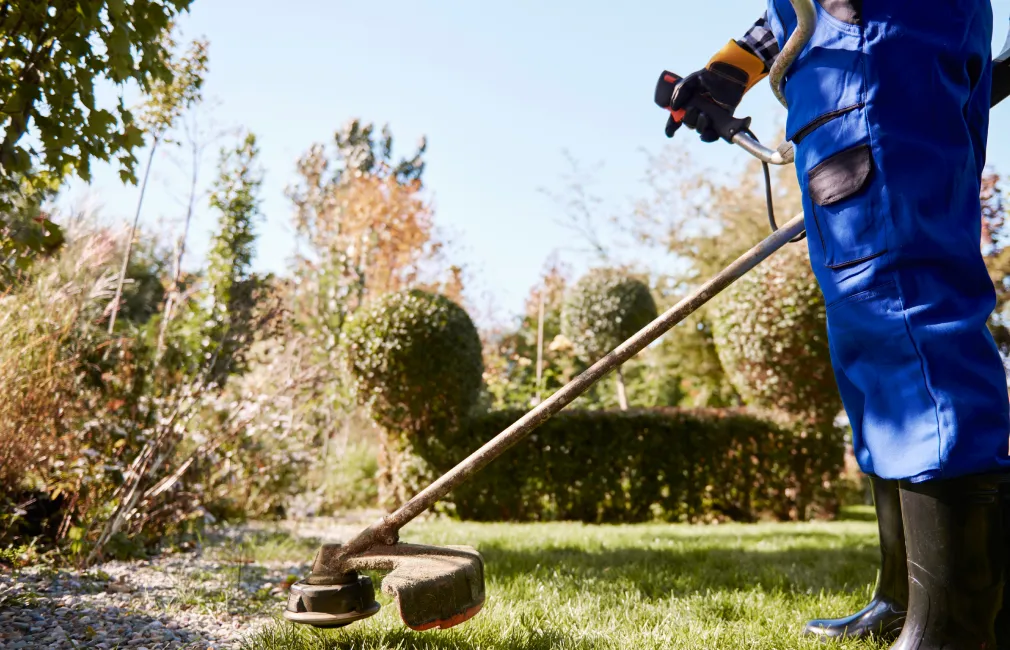
Newington Dethatching Lawn Types

Cool-Season Grasses
-
Warm-Season Grasses
-
Fescue Lawns
-
Kentucky Bluegrass Lawns
-
Zoysia Grass Lawns
-
Bermuda Grass Lawns
-
Ryegrass Lawns
Our Dethatching Lawn Process
Lawn Evaluation
Thatch Depth Measurement
Dethatching Equipment Setup
Thatch Removal
Cleanup and Disposal
Why Choose Newington Landscape Services

-
Newington Homeowners Trust Us
-
Expert Lawn Maintenance
-
Reliable Seasonal Cleanups
-
Competitive Pricing
-
Professional Team
-
Satisfaction Guarantee
-
Personalized Service
Dethatching Lawn Practices for Newington’s Glacial Till and Urban Soil Conditions
Newington’s predominant soils, as identified by the USDA Web Soil Survey, are Inceptisols and Ultisols formed from glacial till, often characterized by moderate acidity (pH 5.5-6.5), stoniness, and variable drainage. In urbanized areas, compaction and fill soils further restrict root growth and water infiltration. Dethatching is most effective when thatch exceeds 0.5 inches, as excessive buildup impedes air and water movement. For Newington’s compacted soils, mechanical dethatching should be performed with flail or vertical mowers set to penetrate 0.25-0.5 inches. Soil testing is recommended every 2-3 years, with amendments such as lime for pH below 6.0. Residents can access soil testing through UConn Extension. Dethatching is best followed by core aeration to alleviate compaction and promote turf recovery.
Newington Department of Public Works
131 Cedar Street, Newington, CT 06111
Phone: (860) 667-5810
Official Website: Newington Department of Public Works
Seasonal Timing and Weather Considerations for Dethatching in Newington
Dethatching in Newington should be scheduled to align with the city’s cool-season turf growth cycles and local weather patterns. The optimal window is late April through mid-May, when soil temperatures reach 50-55°F and grass is actively growing, or late August through mid-September before the first frost (typically late October). Avoid dethatching during summer heat or drought, as turf recovery is limited. Monitor local forecasts through the National Weather Service - Boston/Norton Office, which provides real-time updates for Hartford County. Key timing guidelines include:
- Spring dethatching: April 20 - May 15
- Fall dethatching: August 20 - September 15
- Avoid: June-August (heat stress period)
- Perform after 0.5-1 inch rainfall for easier soil penetration Proper timing reduces turf stress and maximizes recovery, especially in Newington’s USDA Hardiness Zone 6b.
Municipal Collection and Disposal of Thatch Debris in Newington
Proper disposal of dethatching debris is regulated under Newington’s municipal yard waste program. Collection occurs weekly on Thursdays from April through November. Residents must use biodegradable paper bags or 32-gallon reusable containers; plastic bags and branches over 4 inches in diameter are prohibited. Accepted materials include grass clippings, thatch, and brush under 4 feet in length. Place containers curbside by 6:00 AM on collection day. For large volumes, the town transfer station accepts yard waste during posted hours. Failure to comply may result in fines under local ordinance. For detailed collection schedules and accepted materials:
- Weekly pickup: Thursday, April-November
- Containers: Biodegradable bags or 32-gallon bins
- Prohibited: Plastic bags, oversized branches
- Transfer station: Open Saturdays 9:00 AM - 3:00 PM
Newington Department of Public Works
131 Cedar Street, Newington, CT 06111
Phone: (860) 667-5810
Official Website: Newington Department of Public Works
Environmental Compliance: Stormwater, Wetlands, and Buffer Zones in Newington
Dethatching activities in Newington must comply with local and state environmental regulations to protect wetlands, storm drains, and water bodies such as Piper Brook and Mill Pond. The Connecticut Environmental Protection Act and the Clean Water Act require that no yard waste or dethatching debris enter storm drains or be deposited within 25 feet of wetlands. Newington’s MS4 permit, administered by the Connecticut Department of Energy and Environmental Protection, prohibits discharge of organic debris into municipal stormwater systems. Key compliance steps include:
- Maintain 25-foot buffer from wetlands and watercourses
- Do not place debris in or near storm drains
- Use curbside collection or transfer station for disposal
- Report illegal dumping to the Conservation Commission
Newington Conservation Commission
200 Garfield Street, Newington, CT 06111
Phone: (860) 665-8575
Official Website: Newington Conservation Commission
Equipment Operation Hours and Safety Standards for Dethatching in Newington
Operation of dethatching equipment in Newington is subject to municipal noise ordinances and safety protocols. Permitted hours for powered lawn equipment are:
- Monday-Friday: 7:00 AM - 7:00 PM
- Saturday: 8:00 AM - 6:00 PM
- Sunday and holidays: Prohibited All operators must use commercial-grade dethatchers with functioning mufflers, and noise levels must not exceed 85 decibels at property lines. Personal protective equipment (PPE) is required, including ANSI Z87.1 safety glasses, hearing protection for noise above 85 dB, steel-toed boots, and cut-resistant gloves. Maintain a 15-foot clearance from overhead utilities and public sidewalks. For work near public property or right-of-way, coordinate with the Department of Public Works for traffic and pedestrian safety measures.
Newington Department of Public Works
131 Cedar Street, Newington, CT 06111
Phone: (860) 667-5810
Official Website: Newington Department of Public Works
What Neighborhoods Do We Serve Throughout Newington, CT?
- Elm Hill: Features mature tree canopies and older homes with compacted glacial till soils, requiring frequent dethatching and aeration to address poor drainage and thatch buildup.
- Maple Hill: Characterized by mid-century development, moderate lot sizes, and variable soil pH, with some areas near wetlands necessitating strict buffer compliance during dethatching.
- Churchill Park Area: Proximity to Mill Pond and parklands increases sensitivity to stormwater runoff; properties must observe 25-foot wetland buffers and use approved debris disposal methods.
- Piper Brook District: Includes floodplain-adjacent lots with high water tables and poorly drained soils, making timing and method selection for dethatching critical to avoid turf damage.
- Newington Center: Dense residential and mixed-use zoning, with fill soils and heavy foot traffic, requires careful scheduling to minimize disruption and comply with noise ordinances.
- Willard Avenue Corridor: Larger lots and newer developments with improved drainage, but still subject to municipal collection schedules and equipment operation restrictions.
- Indian Hill: Elevated terrain with sloped lawns and exposed subsoils, presenting unique challenges for dethatching equipment access and erosion control.